How to Choose Artificial Turf: Face Weight, Pile Height & Blade Shape
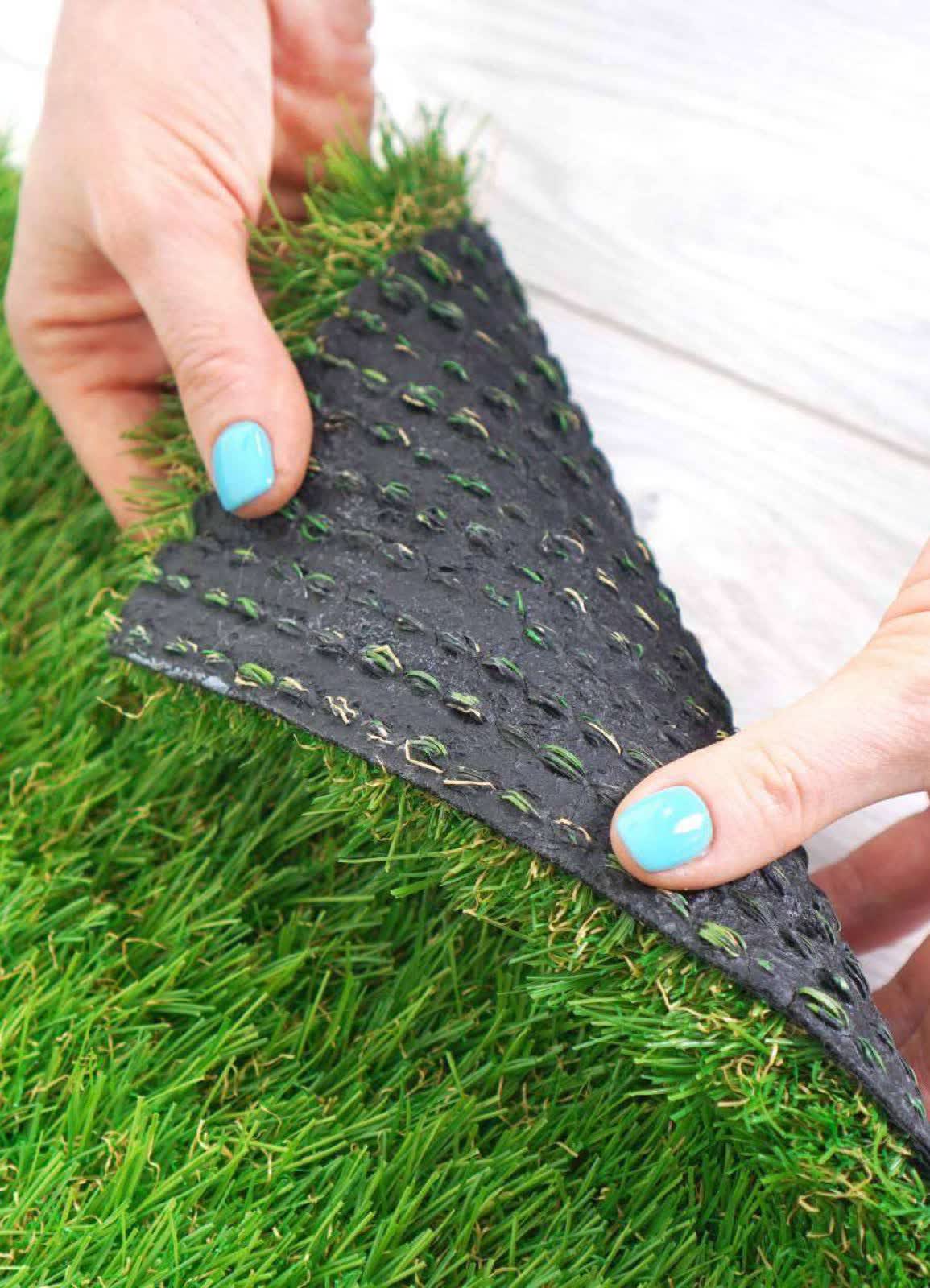
Turf samples all look reasonably convincing on a showroom rack. The spec sheet is where the real differences live, and once you can read one, choosing gets much easier.
Face Weight
Measured in ounces per square yard, this is how much fiber is in the turf, and it's the closest thing to a single quality indicator. Lighter products around 50 to 60 ounces suit low-traffic decorative areas. The 70-to-90-ounce range covers most residential lawns well. Above that you're into premium and commercial territory. Higher face weight means better density, a fuller look, and better recovery from traffic, and a higher price.
Pile Height
The length of the blades, usually 1.25 to 2.25 inches for landscape turf. Taller reads as lush and luxurious but lays over faster under traffic and needs more infill to stay upright. Shorter looks tidier, stays standing, and wears better. For a yard that gets genuinely used, shorter and denser beats taller and sparser nearly every time. Putting greens run far shorter still, typically under half an inch.
Blade Shape
The cross-sectional profile of each fiber, and it matters more than it sounds. Flat blades are cheapest and lay over quickly. Shaped blades (S-shape, W-shape, diamond, and similar) have structural stiffness built into the geometry, so they resist matting and stand back up. Shaped blades also scatter light less uniformly, which is what stops a lawn from reading as artificially shiny.
Thatch Layer
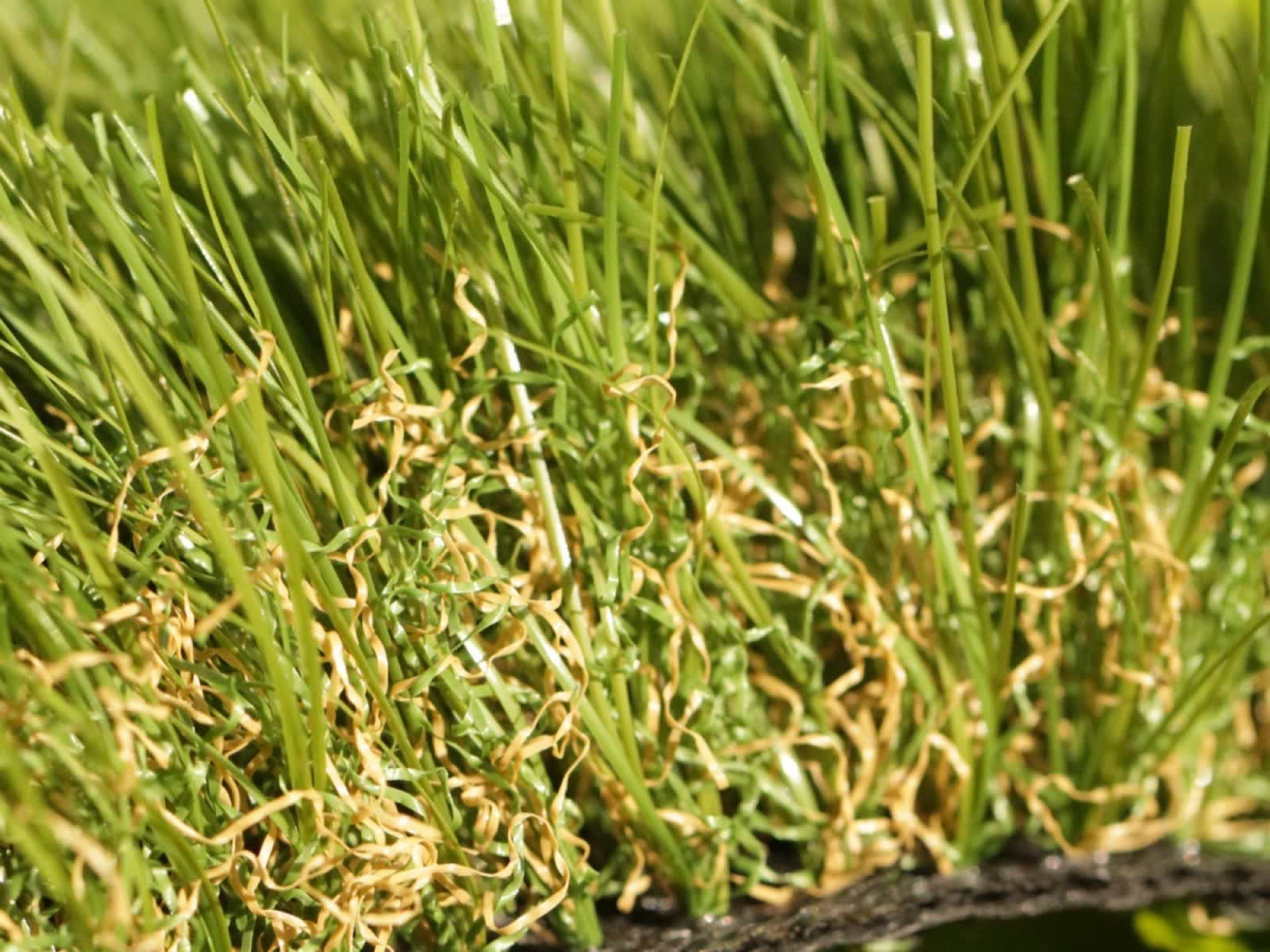
The curly, shorter, tan-and-green fibers woven in at the base. They mimic the dead undergrowth in a real lawn, support the taller blades from below, and are a large part of why a good turf looks natural rather than like carpet. Turf without a thatch layer tends to look flat and obviously synthetic.
Color
Real grass is not a single uniform green. Convincing turf blends several green tones with the tan thatch. Be cautious of anything strikingly bright and uniform. It reads as fake from across the street, particularly in the Pacific Northwest where real lawns run toward deeper, cooler greens.
Warranty
Eight to fifteen years is standard and generally covers UV degradation and fading. Read what's actually covered and confirm the manufacturer is one that will still exist to honor it.
See It in Your Own Light
Turf looks different in a showroom than it does in your yard under Portland's overcast. We bring samples to every consultation for exactly that reason. Contact us to get them in your hands.
Oregon Artificial Turf
Portland's artificial turf installation specialists. Synthetic grass lawns, pet turf, putting greens, and playground surfacing for homeowners and businesses across the Portland, Oregon metro area.
Planning a artificial grass lawns project?
Get a free on-site consultation and estimate from the Portland area's artificial turf specialists.